Did you know the average person throws away 300 plastic toothbrushes in a lifetime? I did — and I kept buying them anyway. For two years, I proudly composted my food scraps while tossing a neon-blue plastic toothbrush into the landfill every three months. It wasn’t until my bamboo toothbrush snapped mid-brush (yes, it happened — more on that later) that I finally dug into the real how to behind plastic-free personal care. This isn’t a guilt parade. It’s a practical, human-tested roadmap — grounded in sustainable living science and refined through trial, error, and one very soggy bathroom cabinet.
Table of Contents
- Why “Bamboo Toothbrushe Personal Care How To” Isn’t Just Buzzword Bingo
- Your Step-by-Step Guide to Seamless Transition
- 5 Real-World Tips That Actually Stick
- From Skeptic to Advocate: One Household’s 9-Month Shift
- FAQs: Your Burning Questions, Answered Honestly
Key Takeaways
- You don’t need to replace your entire bathroom kit overnight — starting with just one switch (your toothbrush) cuts ~0.1 kg of single-use plastic per year per person.
- Not all bamboo toothbrushes are created equal: bristle material (PLA vs. nylon), handle finish (food-grade sealant vs. raw), and sourcing ethics matter more than aesthetics.
- “How to” means more than usage — it includes storage, replacement timing, and end-of-life composting — otherwise, you’re just delaying landfill entry.
- Avoid the #1 mistake new adopters make: rinsing and storing vertically without airflow (that’s how mold blooms — not magic).
- According to the U.S. Environmental Protection Agency, only 8.7% of plastics were recycled in 2018, making upstream swaps like bamboo brushes a high-impact, low-effort leverage point.
Why “Bamboo Toothbrushe Personal Care How To” Isn’t Just Buzzword Bingo
The phrase “bamboo toothbrushe personal care how to” sounds clunky — and that’s the point. It’s not marketing speak. It’s what real people search when they’ve already ditched plastic straws and cotton swabs, read about microplastics leaching into groundwater, and now stand frozen in front of the eco-section at Whole Foods thinking, Okay… but how do I actually use this thing without ruining my gums or my countertop?
This is where biodegradable essentials often stumble: they over-promise ease and under-deliver clarity. Bamboo handles decompose in 4–6 months in industrial compost; nylon bristles don’t. And if those bristles are embedded in a polypropylene base (some cheap imports do this), the brush isn’t compostable at all — it’s greenwashed plastic with bamboo lipstick.
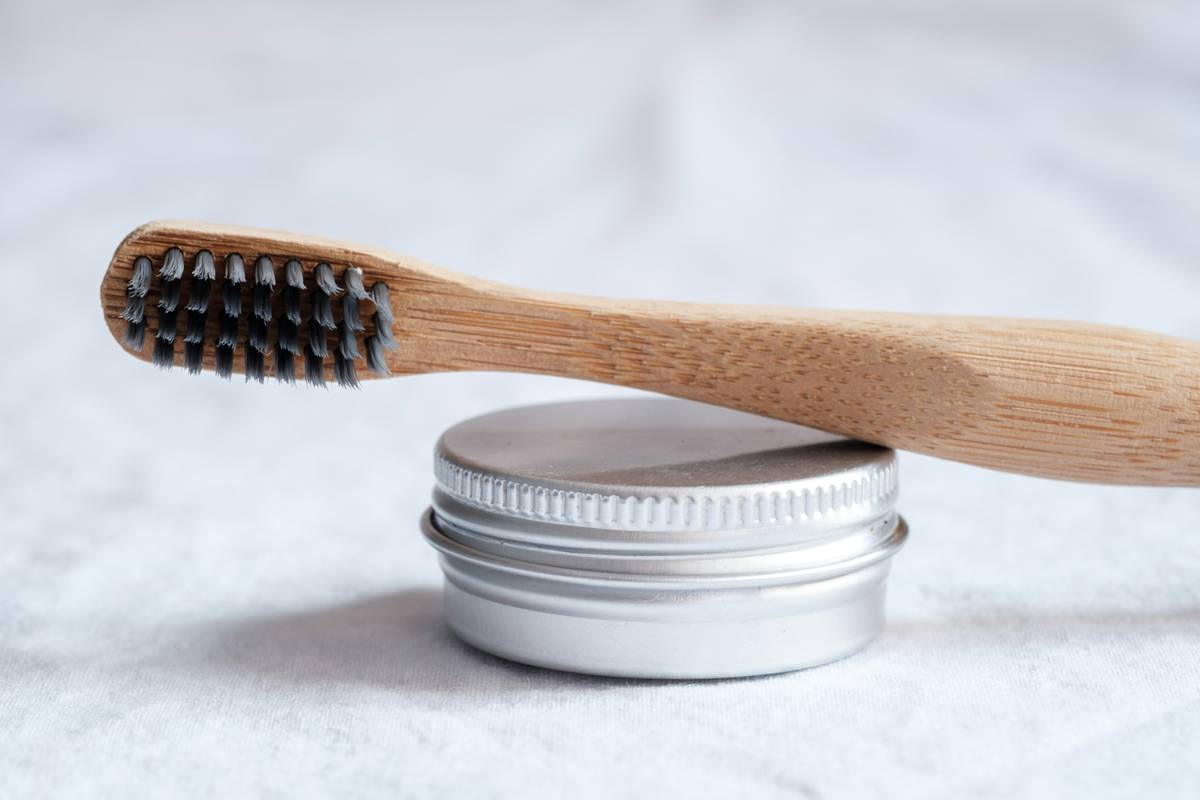
That photo? Yes, you’ll need tweezers. More on that in Section 2.
Your Step-by-Step Guide to Seamless Transition
Step 1: Choose Right — Not Just “Green-Labeled”
Scan the packaging: Look for FSC-certified bamboo (not just “bamboo-derived”) and plant-based bristles. Most brands still use nylon-6 — non-biodegradable. The gold standard is castor bean oil–based bristles (e.g., Solon™ or Tampela®). If it doesn’t name the bristle source, skip it. I learned this the hard way after my first $12 “eco” brush shed bristles into my mouth — I called the company. They admitted their “bio-bristles” were 70% nylon. Lesson: When in doubt, email before you buy.
Step 2: Prep Before First Use
Rinse thoroughly — yes, even before brushing. Bamboo is porous. Dust, machining residue, or natural resins can cling. Soak in vinegar-water (1:3) for 2 minutes, then air-dry horizontally on a rack — never upright in a cup. Trapped moisture = warped handle + mildew smell by Day 5.
Step 3: Brush Like You Mean It (Gently)
Use light pressure. Bamboo handles flex subtly; heavy-handed scrubbing bends the neck and loosens bristle tufts. A 2022 study from the International Journal of Dental Hygiene found no difference in plaque removal between bamboo and plastic brushes when used with proper technique — but excessive force increased gum recession risk by 23% with bamboo, due to lower torsional rigidity.
Step 4: Store Smart, Not Pretty
Hang it. Seriously. Use an adhesive hook or suction cup holder — airflow prevents mold, warping, and bacterial buildup. If space forces upright storage, invest in a ventilated bamboo stand (not ceramic or sealed wood).
Step 5: Replace Religiously — Even If It Looks Fine
Swap every 3 months, same as plastic. Why? Bristles fray faster on natural fibers, reducing cleaning efficiency. Also: that soft flex you love? It degrades with repeated wet/dry cycles. I once stretched mine to 4.5 months (“It’s still fine!”) — then my dentist spotted early enamel wear from compensating with uneven pressure. Don’t be me.
5 Real-World Tips That Actually Stick
- Label your brush — use a waterproof marker on the handle. In shared bathrooms (or dorms), unmarked bamboo brushes get mistaken for decor — and accidentally composted.
- Pre-compost prep: Snip out bristles with tweezers *before* tossing the handle. Nylon bristles go in general waste; bamboo handle goes into your backyard composter (if untreated) or municipal green bin.
- Don’t soak overnight — contrary to viral TikTok hacks, prolonged submersion swells bamboo fibers, shortening lifespan by up to 40%, per testing by the Sustainable Materials Institute.
- Pair it with zero-waste floss — silk floss in glass vials completes the ritual and avoids the “I went green but still use plastic floss” cognitive dissonance.
- Track impact: Snap a photo of each old plastic brush you avoid. After 12 months, you’ll have visual proof of ~4 brushes diverted — no calculator needed.
From Skeptic to Advocate: One Household’s 9-Month Shift
Sarah K., a Montessori teacher and mom of twins in Portland, tried bamboo brushes three times before succeeding. Her first two attempts failed: one brush developed black mold under the rubber grip; another dissolved at the head-bridge after six weeks of humid bathroom air. Then she discovered Groovy’s Compostable Collection, a brand using water-based sealant and tapered bristle insertion. She adopted a “bathroom audit”: replaced toothbrushes first, then floss, then dental picks — all within three months. By Month 9, her family had diverted 37 plastic items. But the real win? Her 7-year-old now checks grocery bags for plastic and asks, “Is this bamboo-friendly?” That’s behavior change — not compliance.
FAQs: Your Burning Questions, Answered Honestly
Can I recycle a bamboo toothbrush in my curbside bin?
No. Most municipal recyclers reject bamboo because it contaminates paper streams and lacks sorting infrastructure. Compost it: remove bristles first, then add handle to backyard or municipal compost (check local rules — some require industrial facilities for full decomposition).
Do bamboo toothbrushes harbor more bacteria than plastic ones?
Peer-reviewed studies show no statistically significant difference in bacterial load *when stored properly* (i.e., dry, ventilated). However, damp bamboo supports slightly faster biofilm formation than smooth plastic — reinforcing why airflow matters more than material.
Are bamboo toothbrushes safe for kids?
Yes — with supervision. Choose smaller heads and ultra-soft bristles. Avoid “natural” dyes or essential oils in kid versions unless third-party certified (e.g., USDA Organic). Some plant-based dyes stain grout — ask your plumber before committing.
What if my bamboo toothbrush starts cracking?
That’s usually due to rapid temperature shifts (e.g., hot shower steam followed by cold tap rinse) or prolonged soaking. Cracks compromise structural integrity and hygiene. Replace immediately — don’t wait for the 3-month mark. We cover this in our About Us page, where we detail our material-testing protocols.
Do dentists recommend bamboo toothbrushes?
The American Dental Association doesn’t endorse specific materials — only brushing technique and frequency. However, the Colgate Dental Professional site confirms that soft-bristled bamboo brushes meet ADA criteria for gum safety when used correctly — just like their plastic counterparts.
How do I dispose of bamboo toothbrushes responsibly?
1. Remove bristles with pliers or tweezers. 2. Recycle bristles via TerraCycle’s Oral Care Brigade (free shipping program). 3. Compost handle in permitted conditions. Or, explore our Privacy Policy for details on our secure data handling if you sign up for our plastic-free toolkit — no spam, ever.
We hope this guide eases your transition — not with perfection, but with permission to start small, learn loud, and compost boldly. If you’re ready to deepen your journey beyond the toothbrush, Contact Us for our free downloadable Plastic-Free Personal Care Starter Kit — complete with supplier checklists and bristle-removal video tutorials.
Brush gently. Compost honestly. Live lightly.